

Preparing to welcome a baby can be an exciting time; however, pregnancy can present additional challenges, particularly for individuals with high-risk pregnancies.
A pregnancy may be considered high risk if one or more of the following factors are present:
- Three or more chronic conditions or one uncontrolled chronic condition.
- Diabetes.
- Hypertension.
- Kidney disease.
- Heart problems.
- Autoimmune disorders.
- Cancer.
- Thyroid disorders.
- Family history of genetic disorders.
- Morbid obesity.
- Mental health disorders.
- Pregnancy-related conditions.
- Gestational diabetes.
- Gestational hypertension.
- Preeclampsia/eclampsia.
- Placental issues.
- Congenital disorders.
- Maternal age.
- Younger than 15 or older than 37.
- Obstetric history.
- Previous high-risk pregnancy.
- Previous preterm birth.
- Multiple miscarriages.
- Previous baby with genetic conditions, or poor outcomes.
- Multiple pregnancy such as twins or triplets.
- Houselessness.
- Substance use disorder.
- Domestic violence.
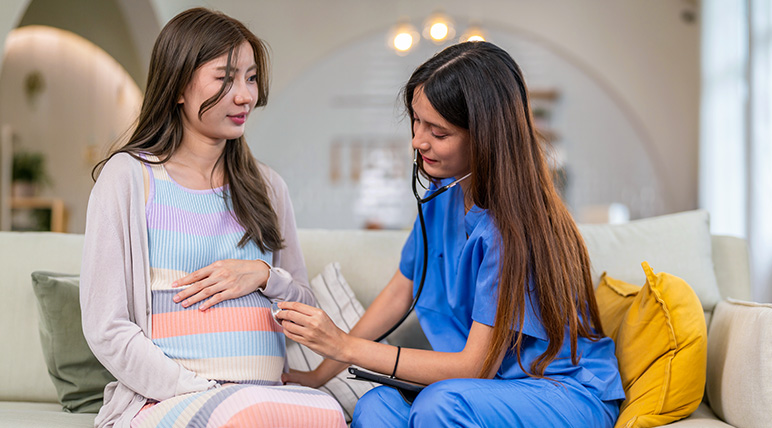
If you’re pregnant with one or more of the factors above, please speak with your maternal health provider about enrolling in the High-Risk Pregnancy program. Participation in this program connects you with a dedicated maternity nurse who will support you by:
- Coordinating your care.
- Addressing any questions and concerns.
- Providing education on managing chronic conditions during pregnancy.
- Connecting you with trusted community resources.
- Offering guidance throughout each stage of pregnancy.
- Assisting with coordination of inter-island and out-of-state care and travel.
Featured Articles
More Resources
General
Your journey through maternal health covers the stages before (pre-pregnancy), during (prenatal), and after (postpartum) pregnancy. Each stage plays a critical role in the overall health and well-being of you and your child.
We can help with information on:
- Getting ready for pregnancy.
- Scheduling your first prenatal visit.
- Health conditions that may affect each stage of your pregnancy and childbirth, as well as those that could affect your overall well-being.
- Caring for yourself after your baby is born.
For 80 years, March of Dimes has led the fight for the health of all moms and babies. It provides resources including information about dangers of co-sleeping with your baby, prenatal care, pregnancy complications, and more. To view these resources, go to March of Dimes’ Health Topics menu.
The Hawaii Cord Blood Bank is an independent, non-profit, community service organization whose mission is to support measures aimed at improving patient access to transplant, including the collection and public banking of umbilical cord blood from Hawaii’s ethnically diverse population.
Get ready for your new arrival with this helpful trimester-specific to-do list.
Find healthy recipes, pregnancy information, exercise tips, and more.
Healthy Mothers Healthy Babies
For over 30 years, Healthy Mothers Healthy Babies has been dedicated to health equity in Hawaii. They serve as a support system for individuals, families, and communities, offering education and accessible, compassionate care from reproductive health through pregnancy and postpartum care, as well as primary care. At every stage of your health journey, they offer assistance and support to you and your ohana, addressing not just health needs but also providing social and mental health support.
Nutrition
The Special Supplemental Nutrition Program for Women, Infants, and Children (WIC) is a federally funded program which provides Hawaii residents with nourishing supplemental foods, nutrition education, breastfeeding promotion, and health and social service referrals. The participants of WIC are either pregnant, breastfeeding, or postpartum women, and infants and children under age 5 who meet income guidelines and have a medical or nutritional risk. Call 808-586-8175 or 1-888-820-6425.
Fitness
Fitness programs including Mommy and Me classes as well as pregnancy fitness classes.
Classes
Offers classes, programs, and services such as:
- Cribs for Kids: A safe sleep education course for low-income, high-risk pregnant women and their families.
- Piko Pals: Piko Pals connects and empowers new parents of babies 0-4 months of age to build their own village of support with other new parents.
- Parent Workshops: Cooking for baby. Make your own baby food.
- MothersCare phone line: Breastfeeding support, pregnancy health, dental and oral health, mental health counseling and services, domestic violence shelters, substance use and abuse intervention services, QUEST (Medicaid) providers, and access to prenatal care. 808-951-6660 or 1-888-951-6661.
Breastfeeding/Chestfeeding
HMSA provides coverage for breastfeeding/chestfeeding support during pregnancy and postpartum, including the purchase of a breast pump at no charge to you. A list of participating providers or pharmacies can be found online.
Additional breastfeeding/chestfeeding resources:
CDC - Breast Milk Storage and Preparation 12
Hawaii Mothers’ Milk: 13Call 808-949-1723 for more information
WomensHealth.gov — National Breastfeeding Helpline14
CalMed Hawaii — Lactation Resources
Car seat fitting and safety
Child care
PATCH helps find child care. Some scholarships are available.
The Child Care Subsidy program assists income eligible families with child care cost when parents or legal guardians are working, attending school, or in a job training program.
The Parent Line is a free statewide confidential telephone line. Provides list of child care, preschool, and play activities, infant and toddler development information, and newsletters.
Postpartum care
While your baby needs a lot of love, care, and attention, it’s equally important to take care of yourself. Completing your postpartum visit 7-84 days after delivery is critical to your health. We have information on what to expect at your postpartum visit, as well as information and a checklist to help you care for yourself.
Maternal mental health
Provides maternal mental health through any stage of reproductive and parenting journey from fertility challenges, miscarriage or infant loss, pregnancy/postpartum related mood concerns or parenting stress with licensed therapists.