


HMSA’s Transitions of Care Program supports members at high risk for readmission who have three or more targeted chronic conditions following a hospital discharge. The program provides RN-led care coordination and short-term, goal-based support from community health workers.
After you’re discharged, our care team reaches out to check on how you’re doing, answer questions, and help coordinate your follow‑up care. Based on your needs, you may receive additional support with medications, appointments, or access to community resources.
Our team includes care navigators, nurses, and community health workers who work together to support you. In some hospitals, registered nurses are available to help coordinate care before you go home and connect you to ongoing support after discharge.
This program is short term and available at no cost to eligible HMSA members.

How will I work with my care manager?
You’ll have access to a Hawaii‑based Transitions of Care team, including TOC nurses, community health workers (CHWs), and care navigators who work together to support you after your hospital stay. The team will connect with you or your caregiver by phone, virtual visit, or in person, at your home, a provider’s office, or an HMSA Center, to help ensure a safe and smooth transition from the hospital to home.
Through the TOC Program, you’ll receive:
- Help to make sure that you understand your hospital discharge instructions.
- Coordinated care with your primary care provider (PCP) or specialists. For example, your care manager will make sure you have a follow-up appointment with your PCP within one week after you’re discharged from the hospital.
- Help with understanding your medications and treatment plan.
- An action plan with steps to take in case you experience worsening symptoms related to your condition.
- Help to set and achieve health goals.
- Information about community resources to support your health and well-being.
- Discussion of advance care planning (e.g., advanced health care directive, living will, or power of attorney).
For more information about this program, call HMSA Health and Well-being Support at 1-855-329-5461, option 1.
Additional Resources
Here are links to instructions and forms that you may need.
This form will help coordinate your health plan benefits.
An Advance Directive is a written statement about your future medical care.
HMSA Authorized Representative form [PDF]
Complete this form to appoint a family member, friend, or another person who may need to access your health information on your behalf.
Mail-order prescription medications are available to most HMSA drug plan members. You can save money with mail-order drugs because copayments are generally lower than when you buy from retail pharmacies. Check your drug plan certificate to see if you have mail order as a benefit.
External Resources for Additional Support:
Elderly Affairs
Click on the CMS.gov link. If you have more than one health plan, coordination of benefits will ensure that the primary plan pays first.
Maui County Office on Aging
ADRC Statewide: 808-643-2372
Maui: 808-270-7774
Molokai: 808-553-5241
Lanai: 808-565-6818
findhelp
More Resources to Help You on Your Journey.
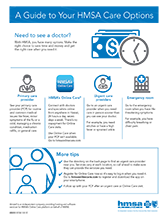
A Guide to After-hours Care [PDF]
Use this guide so you know where to go for your care.

Your Guide to Benefits tells you what your health plan pays for and what you can expect to pay out of pocket. You may access your Guide to Benefits through My Account. If your plan’s Guide to Benefits isn’t online, call us at 808-948-6079 or 1-800-776-4672.

Health Condition Support and Resources
Get personalized support for your health conditions. Our team of clinicians, coaches, and educators can help connect you with the resources you need.

Attend workshops in person or online at no cost on a variety of well-being topics, such as nutrition, physical activity and exercise, stress management, and more.
Disclaimer
The information you obtain from the sources on this site or any other service offered by or through this site should not substitute for or be used instead of a relationship with a health care professional. We encourage you to seek the advice of and regularly consult with doctors and other health care providers of your choice.